
Where should luxury travellers go before the world catches on?
Quiet luxury travel is not about hiding away in the most expensive hotel on the map. It is about choosing quality over noise, space over spectacle, and places that still feel personal before they become the next obvious trend. For travellers planning ahead for 2027, the smartest luxury holidays are not always found in the destinations everyone is already talking about. They are found in the places just before the spotlight arrives.
This is the new appeal of quiet luxury. It favours smaller hotels, private villas, local hosts, meaningful food, natural beauty, seasonal timing, thoughtful design and genuine cultural connection. It is the opposite of over-tourism and checklist travel. The best quiet luxury destinations do not shout for attention. They reward travellers who know where to look.
In 2026, luxury travel continued to shift toward privacy, wellness, slower itineraries, food-led discovery, crowd avoidance and authentic cultural depth. For 2027, that means the most desirable destinations will be the ones that still feel rare, calm and unspoilt. These are the places where travellers can enjoy space, beauty and service without feeling as if they are following the crowd.
This guide highlights the quiet luxury destinations to book before they get busy, chosen for their mix of exclusivity, natural atmosphere, cultural richness, food and drink appeal, and future growth potential.
Why quiet luxury travel is becoming the smart choice for 2027
Luxury travel used to be easy to define. Five-star hotels, famous resorts, private transfers and big-ticket destinations were enough to signal a premium holiday. Today, luxury travellers are more selective. They still value comfort, but they also want originality. They want to feel that their trip has been designed around them, not around an algorithm or a standard itinerary.
The first reason quiet luxury is growing is privacy. Travellers want fewer crowds, more discreet service and places where they can properly switch off. This does not always mean a private island. It can mean a restored farmhouse in rural Italy, a small coastal hotel in Portugal, a mountain lodge in Georgia or a secluded beach retreat in the Philippines.
The second reason is authenticity. Luxury guests increasingly want to experience the real character of a destination. They want local food, meaningful design, independent hotels, cultural context and experiences that feel rooted in place. Quiet luxury does not remove travellers from a destination. It brings them closer to it, but in a more considered and comfortable way.
The third reason is timing. Many famous destinations were once quiet discoveries before they became crowded. The travellers who visit early get the best of both worlds, beautiful places with growing luxury infrastructure, but before peak demand changes the atmosphere. Booking before a destination gets busy often means better availability, better value, more choice and a stronger sense of discovery.
The fourth reason is slow travel. Quiet luxury travellers are less interested in rushing through five places in seven days. They want longer stays, fewer transfers, private guides, seasonal experiences and enough time to let a destination reveal itself. For 2027, the best luxury trips will not be the busiest ones. They will be the most thoughtfully paced.

1. Comporta, Portugal, for barefoot coastal luxury
Comporta has been quietly attracting design-conscious travellers for years, but it still feels calmer and more understated than many of Europe’s better-known luxury beach destinations. Located south of Lisbon, this coastal region combines Atlantic beaches, rice fields, pine forests, simple seafood restaurants and low-rise architecture. It is stylish without being showy, which is exactly why it belongs on a quiet luxury list.
For travellers who love the idea of the Hamptons, Ibiza or the South of France but want something softer, Comporta is a perfect alternative. The atmosphere is natural, relaxed and polished in a discreet way. Think linen shirts, long lunches, dune-backed beaches, private villas, boutique hotels and sunset drinks rather than beach clubs trying to compete for attention.
Comporta works especially well for couples, families and multi-generational groups who want privacy without isolation. It is close enough to Lisbon for an easy arrival, but once there, the pace slows completely. Days can be built around beach walks, horse riding, local seafood, private boat trips, design-led shopping and relaxed dinners.
Useful tourist facts people search for
The best time to visit Comporta is usually May to September for beach weather, with June and September offering a particularly good balance of warmth and atmosphere. July and August are livelier, but still feel more relaxed than many Mediterranean hotspots.
Most travellers fly into Lisbon and drive south. The journey is usually manageable, making Comporta a strong choice for a luxury short break or a longer Portugal itinerary. A stay of four to seven nights works well, although travellers who want a true switch-off holiday could easily stay longer.
Comporta is best suited to travellers who like understated luxury rather than high-energy nightlife. It is more about beach lunches, design hotels and nature than shopping streets and glamorous evening scenes.
Cultural considerations
Comporta is relaxed, but it is still a lived-in region with local communities, protected landscapes and a delicate natural environment. Travellers should respect beach rules, avoid damaging dunes, support local restaurants and take care around quiet residential areas.
The destination’s charm comes from its simplicity, so the best way to experience it is not to over-plan every hour. Leave space for slow mornings, long lunches and spontaneous stops in small villages.
Food and drink experiences to recommend
Comporta is excellent for seafood lovers. Recommend grilled fish, clams, rice dishes, oysters, octopus, local cheeses and Portuguese wines. Beach restaurants are part of the experience, especially those serving simple fish and shellfish with views of the Atlantic.
For a more curated luxury experience, suggest a private villa dinner with a local chef, a wine tasting in the Alentejo, a picnic among the rice fields or a seafood lunch after a private boat trip.
Why book before it gets busy
Comporta is already known among stylish travellers, but it has not yet reached the saturation point of Europe’s most famous beach destinations. As demand for quiet coastal luxury grows, availability in the best boutique hotels and villas will become more competitive. Booking early gives travellers access to the best properties while the region still feels naturally low-key.

2. Puglia, Italy, for authentic Italian luxury without the crowds
Puglia is not undiscovered, but it still offers a more grounded and authentic version of Italian luxury than many of the country’s most famous regions. Located in southern Italy, the region is known for whitewashed towns, olive groves, trulli houses, masserie, dramatic coastlines and some of the best food in the country.
For quiet luxury travellers, Puglia is especially appealing because it feels generous. The landscapes are open, the food is honest, the architecture is beautiful and the pace is slower than in Italy’s most crowded cities. Luxury here is not about grand formality. It is about staying in a restored farmhouse, eating handmade pasta, swimming in clear water and exploring historic towns at the right time of day.
Puglia works beautifully for couples, honeymooners, food lovers and families who want Italy with depth. It also suits travellers who have already visited Rome, Florence, Venice, Lake Como or the Amalfi Coast and now want somewhere that still feels personal.
Useful tourist facts people search for
The best time to visit Puglia is usually April to June or September to October. These months offer pleasant weather, fewer crowds and better conditions for sightseeing, food experiences and coastal stays. July and August can be hot and busy, especially near popular beach towns.
A luxury Puglia itinerary usually works best over seven to ten nights. Travellers can combine places such as Ostuni, Alberobello, Locorotondo, Lecce, Monopoli, Polignano a Mare and the Salento coast. Renting a car or arranging a private driver is highly recommended because many of the best hotels and restaurants are located outside town centres.
Cultural considerations
Puglia is warm and welcoming, but visitors should remember that many towns are historic residential communities. Dress respectfully when visiting churches, avoid treating trulli homes as photo props without permission, and book restaurants ahead during peak season.
The rhythm of the day matters. Many towns are quieter in the afternoon and come alive again in the evening. Luxury travellers will get more from the region by adapting to local timing rather than trying to force a packed schedule.
Food and drink experiences to recommend
Puglia is one of Italy’s great food regions. Recommend orecchiette pasta, burrata, stracciatella, focaccia barese, seafood, grilled vegetables, olive oil tastings, Primitivo and Negroamaro wines, and a private cooking class in a masseria.
A strong luxury food itinerary could include a morning market visit, a hands-on pasta class, an olive oil estate experience, a vineyard lunch and a seafood dinner by the coast.
Why book before it gets busy
Puglia is becoming more popular every year, especially with travellers seeking alternatives to Tuscany and the Amalfi Coast. The best masserie and boutique hotels have limited rooms, and the most atmospheric properties sell quickly. Book now while the region still feels authentic, spacious and deeply connected to local life.

3. Kythira, Greece, for island charm before the spotlight arrives
Kythira is one of Greece’s most appealing under-the-radar islands. Sitting between the Peloponnese and Crete, it feels separate from the more familiar Greek island routes. It does not have the global fame of Santorini, Mykonos or Paros, and that is exactly its strength.
This is an island for travellers who want beaches, villages, local tavernas, walking trails, waterfalls, sea caves and Greek atmosphere without the performance of a heavily branded luxury destination. Kythira feels romantic, authentic and slightly nostalgic. It is the kind of place where the luxury is in the quietness, the views, the food and the sense that the island still belongs to itself.
For 2027, Kythira is a smart choice because luxury travellers are increasingly looking for Greece beyond the obvious. The best Greek islands for quiet luxury are not necessarily the ones with the most famous beach clubs. They are the islands where travellers can still find space, personality and a slower local rhythm.
Useful tourist facts people search for
The best time to visit Kythira is May to October, with June and September especially attractive for warm weather and a calmer atmosphere. July and August are busier because of Greek domestic travel, but the island still feels more relaxed than many better-known destinations.
Travellers can reach Kythira by domestic flight from Athens or by ferry, depending on route and season. A stay of four to seven nights is ideal, especially for travellers who want time to explore beaches, villages and walking routes.
Kythira is best for couples, independent travellers, slow travel lovers and those who prefer local restaurants over high-gloss nightlife.
Cultural considerations
Kythira is a small island with a strong local identity. Travellers should respect village life, dress modestly when visiting churches and monasteries, drive carefully on rural roads and avoid leaving litter on beaches or walking trails.
This is not an island where everything should be rushed. The reward is in exploring slowly, stopping for views, returning to favourite tavernas and enjoying the simplicity of island life.
Food and drink experiences to recommend
Food in Kythira is simple, local and satisfying. Recommend grilled fish, local honey, olive oil, goat dishes, feta, dakos-style salads, almond sweets, local wine and long taverna lunches by the water.
For luxury travellers, suggest a private picnic at a secluded beach, a local cooking experience, a honey tasting, a boat day with seafood lunch or a sunset dinner in a small village.
Why book before it gets busy
As travellers search for alternatives to Greece’s most crowded islands, places like Kythira are likely to attract more attention. Its charm depends on its quietness, so the best time to visit is before it becomes widely known in the luxury market.
4. Svaneti, Georgia, for mountain beauty and ancient culture
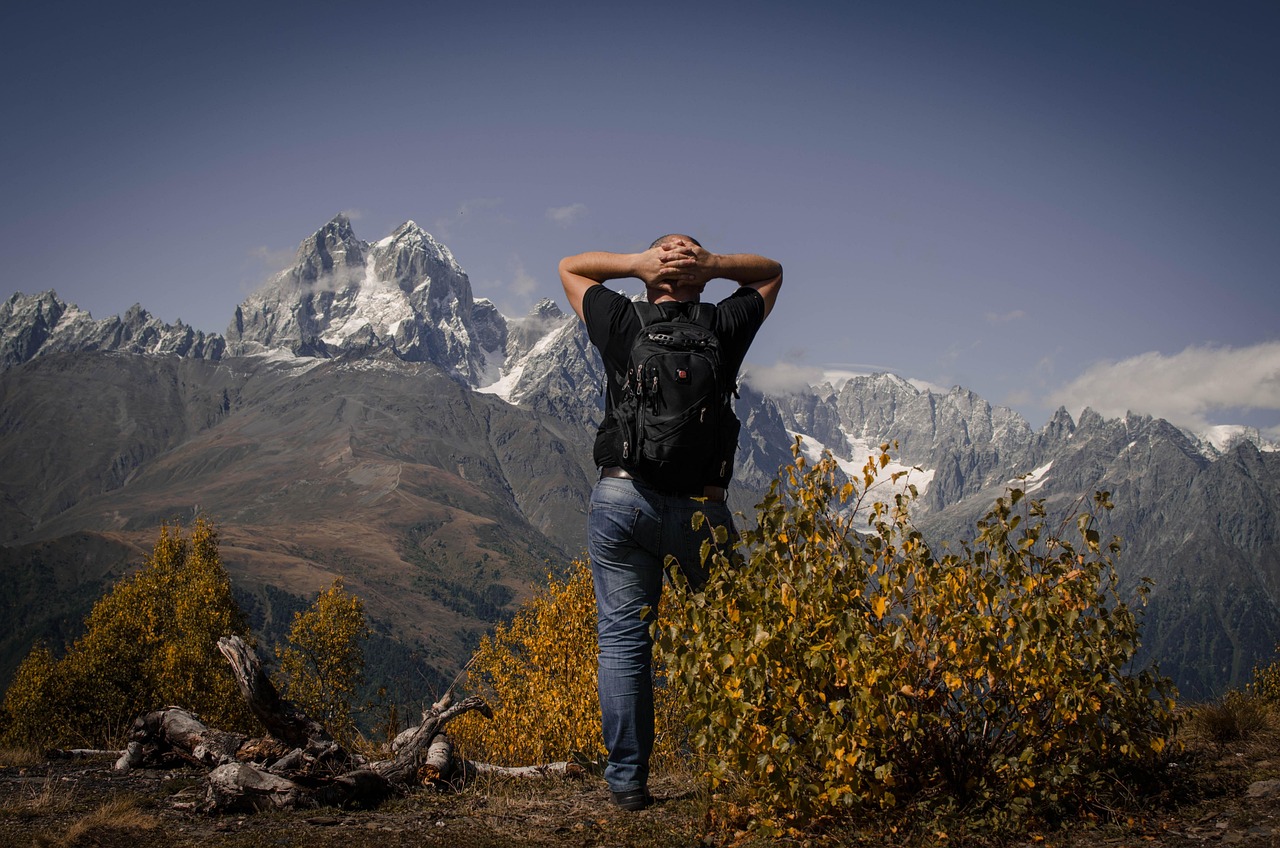
Svaneti is one of Europe’s most dramatic and culturally distinctive mountain regions. Located in northwest Georgia, it is known for snow-capped peaks, medieval defensive towers, remote villages, hiking routes and a strong local identity. It feels wild, beautiful and deeply atmospheric.
For quiet luxury travellers, Svaneti is not a conventional polished destination, and that is part of the appeal. It suits adventurous clients who value rare landscapes, local culture and guided discovery more than traditional resort luxury. The luxury here is access: private guides, carefully selected lodges, scenic transfers, mountain views and experiences that feel far removed from mass tourism.
Georgia as a whole is growing in reputation for food, wine, hospitality and culture. Svaneti adds the sense of discovery that luxury travellers increasingly want. It is ideal for those who have already visited the Alps, Dolomites or Iceland and now want a mountain destination with stronger cultural depth and fewer crowds.
Useful tourist facts people search for
The best time to visit Svaneti is usually June to September for hiking and clearer mountain access. Winter can be beautiful, but travel is more weather dependent and requires careful planning.
Most travellers reach Svaneti through Mestia, either by road or domestic flight depending on schedules and conditions. A stay of four to six nights can work well as part of a wider Georgia itinerary including Tbilisi, Kakheti wine country and Kazbegi.
This destination is best for adventurous luxury travellers, photographers, hikers, culture seekers and clients who enjoy destinations that still feel raw and real.
Cultural considerations
Svaneti has a strong local identity, and travellers should show respect for traditions, churches, family homes and village life. Private guiding is highly recommended because it gives context and helps visitors avoid treating the region simply as a scenic backdrop.
Mountain weather can change quickly, so travellers should dress properly, listen to local advice and avoid overestimating their fitness on longer hikes.
Food and drink experiences to recommend
Georgia is one of the world’s most rewarding food and wine destinations. In Svaneti, recommend kubdari, a spiced meat bread associated with the region, along with khachapuri, khinkali, local cheeses, honey, mountain herbs and Georgian wine.
A wider itinerary should include a supra, Georgia’s traditional feast, as well as qvevri wine tasting in Kakheti. This combination of mountain food and ancient wine culture gives Georgia a powerful luxury travel story.
Why book before it gets busy
Georgia is gaining international attention, but Svaneti still feels far from mainstream luxury routes. Infrastructure will continue to improve, and that will bring more travellers. Booking before it becomes heavily promoted allows guests to experience the region while it still feels deeply local and untouched.

5. The Azores, Portugal, for nature, wellness and Atlantic calm
The Azores are made for quiet luxury. This Portuguese archipelago in the Atlantic offers volcanic landscapes, crater lakes, hot springs, waterfalls, whale watching, hydrangea-lined roads, natural swimming pools and an atmosphere that feels calm, green and restorative.
Unlike many island destinations, the Azores are not about white-sand beach glamour. They are about nature, weather, water and wellness. The luxury is in fresh air, space, privacy and experiences that feel connected to the natural world. For 2027, this makes the islands especially relevant to travellers looking for restorative holidays that still feel special.
São Miguel is the most accessible island and a strong starting point, but travellers can also explore islands such as Pico, Faial, Terceira and São Jorge depending on time, interests and flight routes. The Azores work particularly well for nature lovers, couples, photographers, wellness travellers and soft adventure clients.
Useful tourist facts people search for
The best time to visit the Azores is usually April to October, with summer offering warmer weather and better conditions for whale watching, hiking and island hopping. Spring and early autumn can be excellent for travellers who want fewer visitors and lush scenery.
A stay of seven to ten nights is ideal for combining São Miguel with at least one other island. Travellers who prefer a slower pace could easily spend a full week on São Miguel alone.
The weather can change quickly, so visitors should pack layers and be flexible. This is part of the Azores experience, and a good itinerary should allow room for weather-led adjustments.
Cultural considerations
The Azores have a strong island identity and a close relationship with nature. Travellers should respect protected landscapes, follow marked trails, avoid disturbing wildlife and choose responsible whale watching operators.
The islands are peaceful, so visitors should not expect a high-energy resort scene. The best experiences are natural, local and quietly memorable.
Food and drink experiences to recommend
Food in the Azores is hearty, fresh and closely tied to land and sea. Recommend cozido das Furnas, a stew cooked using volcanic heat, fresh tuna, limpets, local cheeses, pineapples from São Miguel, tea from Europe’s rare tea plantations, local wines from Pico and seafood by the coast.
For luxury travellers, suggest a private geothermal dining experience, a tea plantation visit, a whale watching trip followed by a seafood lunch or a chef-led dinner using local produce.
Why book before it gets busy
The Azores are already popular with nature-focused travellers, but they still feel less commercial than many island destinations. As wellness, active travel and crowd-free luxury continue to grow, demand is likely to increase. Travellers should book before the best boutique hotels and island lodges become harder to secure.

6. Siargao, Philippines, for island serenity beyond the surf scene
Siargao is best known as a surf destination, but its appeal now reaches far beyond waves. This Philippine island offers palm forests, lagoons, mangroves, beaches, island hopping, laid-back restaurants and a relaxed creative community. It feels tropical, soulful and still relatively low-key compared with many Southeast Asian beach destinations.
For quiet luxury travellers, Siargao is especially attractive because it has character. It is not a polished resort island with everything controlled and packaged. It has movement, local life, natural beauty and a sense of island rhythm. With the right planning, travellers can enjoy private villas, boat days, wellness sessions, lagoon adventures and slow beach living.
Siargao is best suited to couples, adventurous honeymooners, wellness travellers and clients who like laid-back luxury rather than formal service. It is also ideal for travellers who have already visited Bali, Thailand or the Maldives and now want somewhere that feels more individual.
Useful tourist facts people search for
The best time to visit Siargao is usually March to October for generally favourable island conditions, although surf seasons and weather patterns can vary. Travellers should plan carefully around rainy periods and allow enough time for domestic connections.
Most visitors reach Siargao by flying through Manila or Cebu, then connecting to the island. A stay of five to seven nights is ideal, especially if clients want time to enjoy beaches, lagoons, island hopping and relaxation rather than rushing between locations.
Cultural considerations
Siargao is a real island community, not just a holiday setting. Travellers should support locally owned businesses, respect environmental rules, avoid damaging reefs, use reef-safe sunscreen where possible and behave respectfully in villages.
The island has experienced growing tourism, so quiet luxury travellers should choose operators and accommodation that protect the local environment and contribute positively to the community.
Food and drink experiences to recommend
Siargao has a relaxed but growing food scene. Recommend fresh seafood, grilled fish, tropical fruit, coconut-based dishes, Filipino barbecue, kinilaw, local coffee, smoothie bowls and island-style dining.
For luxury travellers, suggest a private beach barbecue, a boat trip with fresh seafood lunch, a local cooking class or a wellness-focused villa dining experience using island produce.
Why book before it gets busy
Siargao has already become popular with surfers and independent travellers, but its luxury potential is still developing. As travellers search for alternatives to Bali and more established Southeast Asian islands, Siargao is likely to move further into the spotlight. The time to experience it at its most relaxed is now.

7. Lake Atitlán, Guatemala, for spiritual scenery and soulful luxury
Lake Atitlán is one of Central America’s most beautiful and atmospheric destinations. Surrounded by volcanoes and Mayan villages, the lake feels peaceful, spiritual and visually unforgettable. It is a strong quiet luxury choice for travellers who want culture, nature, wellness and a destination with emotional depth.
This is not a classic resort destination. Its luxury lies in the setting, the stillness, the views and the chance to connect with local culture in a thoughtful way. Boutique hotels, private villas, yoga retreats, lakeside gardens and guided village visits make it ideal for slow travel.
Lake Atitlán works well for couples, wellness travellers, creative travellers and those seeking a deeper Central America itinerary. It can also combine with Antigua, Guatemala City, Tikal or Belize for a more complete regional journey.
Useful tourist facts people search for
The best time to visit Lake Atitlán is usually November to April, during the drier season. The lake can be visited year-round, but travellers planning outdoor activities, boat transfers and photography often prefer the clearer months.
A stay of four to six nights works well, especially when paired with Antigua. Travellers should choose their village carefully because each lakeside community has a different feel. Some are quieter and more wellness-focused, while others are livelier and more social.
Boat transfers are part of the experience, but they require sensible planning, especially with luggage or late arrivals.
Cultural considerations
Lake Atitlán is home to Mayan communities with strong traditions, languages and local customs. Travellers should ask before photographing people, dress respectfully in villages, support local artisans directly where possible and visit with guides who can provide proper context.
This is a destination where responsible tourism matters. The lake is beautiful but environmentally sensitive, so travellers should avoid waste, choose responsible accommodation and respect water quality.
Food and drink experiences to recommend
Food around Lake Atitlán can be simple, fresh and international in style, especially in wellness-focused hotels. Recommend Guatemalan coffee, cacao experiences, pepián, tamales, fresh lake fish where appropriate, tortillas, local fruit and traditional Mayan-inspired meals.
For luxury travellers, suggest a private lakeside dinner, a coffee farm visit, a cacao ceremony, a market-to-table cooking experience or a wellness retreat menu built around local produce.
Why book before it gets busy
Central America is gaining more attention from luxury travellers who want culture, nature and wellness without following the most predictable routes. Lake Atitlán has the beauty and depth to become far more prominent, but it still feels personal when planned carefully. Booking early gives travellers access to the best lakeside stays and more meaningful guided experiences.

8. Wadi Rum, Jordan, for desert stillness and cinematic luxury
Wadi Rum is already famous for its desert scenery, but it still offers a powerful quiet luxury experience when planned properly. The landscape is vast, cinematic and deeply atmospheric, with sandstone cliffs, open desert, star-filled skies and a sense of stillness that few destinations can match.
For travellers who want luxury that feels elemental rather than excessive, Wadi Rum is an outstanding choice. The best experiences are not about busy sightseeing. They are about private desert drives, sunset viewpoints, Bedouin hospitality, stargazing, slow meals, campfires and waking up in silence.
Wadi Rum combines beautifully with Petra, the Dead Sea and Amman, making it part of a rich Jordan itinerary. It is especially strong for couples, photographers, culture lovers, adventure travellers and anyone looking for a destination that feels truly different.
Useful tourist facts people search for
The best time to visit Wadi Rum is usually March to May and September to November, when temperatures are more comfortable for desert activities. Summer can be very hot, while winter nights can be cold.
A stay of one to two nights is enough for many travellers, but luxury clients who enjoy stillness and photography may prefer two or three nights. Wadi Rum should not be treated as a quick photo stop. It is best experienced slowly, with time for sunset, stars and early morning light.
Cultural considerations
Wadi Rum is closely associated with Bedouin culture, and travellers should approach it with respect. Dress modestly, listen to local guides, ask before photographing people and understand that hospitality is a meaningful cultural tradition.
Visitors should also protect the desert environment by avoiding litter, sticking to responsible routes and choosing camps that operate sensitively.
Food and drink experiences to recommend
Food experiences in Wadi Rum often centre on Bedouin hospitality. Recommend zarb, a traditional underground-cooked meal, sweet tea, dates, flatbreads, grilled meats, mezze and campfire dining under the stars.
For a luxury itinerary, suggest a private sunset dinner, a guided tea experience with a local host, or a camp meal paired with stargazing and storytelling.
Why book before it gets busy
Jordan continues to attract travellers looking for culture, heritage and adventure. Wadi Rum’s luxury camp scene is growing, but the best experiences depend on careful operator choice and location. Booking before demand rises gives travellers a better chance of securing camps that feel intimate rather than crowded.
9. Upper Mustang, Nepal, for rare Himalayan culture
Upper Mustang is one of the most extraordinary destinations for travellers who want true cultural depth and remote landscape. Once an ancient Himalayan kingdom, it is known for desert-like mountain scenery, Tibetan-influenced culture, monasteries, caves, walled settlements and a sense of remoteness that feels increasingly rare.
This is not a destination for every luxury traveller. It requires patience, planning and a taste for adventure. However, for the right client, Upper Mustang offers something far more powerful than conventional luxury: access to a fragile, fascinating and deeply atmospheric world.
For 2027, Upper Mustang belongs on this list because high-end travellers are increasingly searching for once-in-a-lifetime journeys that still feel genuinely rare. This is a destination for those who want stories, not status.
Useful tourist facts people search for
The best time to visit Upper Mustang is usually spring and autumn, especially March to May and September to November. Because of its rain-shadow location, some itineraries can also work during periods when other parts of Nepal are wetter, but specialist planning is essential.
Travellers normally visit with permits, guides and organised logistics. It is not a destination for casual independent travel. A journey can take seven to ten nights or longer, depending on route, comfort level and wider Nepal plans.
Cultural considerations
Upper Mustang has strong Tibetan Buddhist cultural influences and a fragile local environment. Travellers should be respectful in monasteries, ask before taking photographs, avoid disturbing religious spaces and follow their guide’s advice at all times.
Because communities are remote, responsible tourism is essential. Visitors should use reputable operators, support local income where possible and avoid behaviour that treats traditional culture as a performance.
Food and drink experiences to recommend
Food in Upper Mustang is simple, warming and shaped by altitude and availability. Recommend Tibetan bread, noodle soups, momos, thukpa, butter tea, yak products where available, lentil dishes and lodge meals that reflect the region’s mountain setting.
For luxury travellers, the food experience should be framed around place and hospitality rather than fine dining. The most memorable meals may be simple, but they carry the atmosphere of the journey.
Why book before it gets busy
Upper Mustang remains one of the world’s rare cultural landscapes. Improved access and growing interest in remote Himalayan journeys may increase demand, but its appeal depends on careful, respectful travel. Book before it becomes a fashionable trophy destination.
How to choose the right quiet luxury destination
The best quiet luxury destination depends on the reason for travel. For barefoot coastal luxury, choose Comporta. For food, design and authentic Italy, choose Puglia. For quiet Greek island charm, choose Kythira. For mountain culture and dramatic landscapes, choose Svaneti. For nature, wellness and Atlantic air, choose the Azores. For tropical island serenity, choose Siargao. For spiritual lakeside beauty, choose Lake Atitlán. For cinematic desert stillness, choose Wadi Rum. For rare Himalayan culture, choose Upper Mustang.
The most important rule is to choose the destination before it becomes the obvious choice. Quiet luxury works best when the place still has breathing room. It should feel discovered, not developed beyond recognition. It should offer comfort without losing character, and privacy without cutting travellers off from local life.
Booking tips for quiet luxury travel in 2027
Book early, especially for boutique hotels, private villas, small lodges and specialist guides. Quiet luxury properties often have limited rooms, and the best ones can sell out faster than larger resorts.
Travel in shoulder seasons where possible. May, June, September and October are often ideal for European destinations, while dry season timing matters more for places such as Guatemala, Jordan and the Philippines.
Stay longer in fewer places. Quiet luxury is not about collecting destinations. It is about giving each place enough time to become memorable.
Choose local specialists. The right guide, chef, driver, host or hotel team can turn a beautiful destination into a meaningful journey.
Respect the destination’s limits. The very reason these places are special is because they are not overbuilt, over-managed or overexposed. Responsible travellers help keep them that way.
