
Where should luxury travellers go for the best food and wine holidays in 2027?
Food and wine travel has moved far beyond the occasional vineyard visit or one special restaurant reservation. For 2027, the best luxury holidays are being shaped around flavour, provenance, place and connection. Travellers want to know where their wine was grown, who made the cheese, why the olive oil tastes different, how the chef interprets local ingredients and what a region tastes like when it is experienced properly.
This is where food and wine luxury travel becomes so powerful. It gives a destination a reason to be remembered. A beach can be beautiful, a hotel can be flawless and a view can be impressive, but a meal shared in a vineyard, a private cellar tasting, a farm lunch, a market walk or a chef-led regional dinner can become the emotional centre of the whole trip.
The luxury food traveller in 2027 is not only looking for famous restaurants. They are looking for depth. They want boutique vineyard stays, private tastings, chef access, seasonal ingredients, local stories, old-world wine regions with fresh energy, and emerging culinary destinations that still feel personal. Fine dining still matters, but so does authenticity. The best trips combine both.
This guide highlights the best food and wine luxury holidays for 2027, chosen for their restaurant scenes, wine culture, regional ingredients, hotel quality, private experience potential and long-term backlink value. These are destinations where food is not an add-on. It is the reason to go.

Why food and wine luxury travel is becoming essential for 2027
The biggest shift in luxury travel is that affluent travellers are now choosing holidays with a stronger purpose. They are not just asking where to stay. They are asking what the journey will give them. Food and wine answer that question beautifully because they create memories that are sensory, local and personal.
A great food and wine holiday can be romantic, educational, relaxing and culturally rich at the same time. It can include vineyard picnics, private estate tours, market visits, cooking classes, rare bottle tastings, Michelin-level restaurants, rustic farm lunches, seafood by the coast and conversations with producers who have shaped a region for generations.
The second reason this style of travel is growing is the desire for slower itineraries. Food and wine destinations reward travellers who stay longer. A rushed two-night visit rarely works. The best experiences come from allowing time to move between valleys, villages, cellar doors, local restaurants, markets and countryside hotels.
The third reason is seasonality. Food and wine travel gives luxury travellers a reason to book beyond the obvious summer peak. Spring brings fresh produce, blossom, mild weather and quieter restaurants. Autumn brings harvest, wine festivals, truffles, mushrooms, game, olive oil and richer menus. This makes food and wine holidays perfect for shoulder-season luxury travel.
The fourth reason is authenticity. Travellers increasingly want meals and tastings that feel rooted in place. They do not simply want international luxury that could exist anywhere. They want the Douro to taste like the Douro, Piedmont to taste like Piedmont, Tasmania to taste like Tasmania and Mendoza to taste like the Andes.
For 2027, the strongest food and wine holidays will combine comfort with character. The destination should offer excellent hotels, strong restaurants, local producers, private guiding, scenic beauty and enough culinary depth to justify a trip built around the table.

1. Slovenia, for Michelin-level dining, green travel and boutique wine country
Slovenia is one of Europe’s most exciting food and wine destinations for 2027 because it offers variety, quality and sustainability without the crowds of better-known culinary countries. It is compact enough for a beautifully paced luxury itinerary, yet diverse enough to feel like several trips in one. Travellers can combine Ljubljana, Lake Bled, the Soča Valley, Goriška Brda, Vipava Valley and the Adriatic coast without feeling rushed.
What makes Slovenia special is the relationship between landscape and food. Alpine valleys, vineyards, forests, rivers, farms and coastal towns all influence the cuisine. The result is a destination where tasting menus, farm stays, wine cellars and mountain dishes feel genuinely connected to the land.
For luxury travellers, Slovenia offers a softer alternative to Italy, France or Switzerland. It has fine dining, boutique hotels, exceptional wine, natural beauty and a strong sustainability message, but it still feels personal. It is ideal for travellers who want refined food and wine without feeling as though every experience has been over-commercialised.
Useful tourist facts people search for
The best time to visit Slovenia for food and wine is May to October. Late spring is excellent for fresh produce, walking and vineyard visits, while September and October are ideal for harvest, wine tastings and autumn menus.
A seven to ten night itinerary works well. Travellers can spend time in Ljubljana for restaurants and culture, then continue to Goriška Brda or Vipava for wine, the Soča Valley for scenery and the coast for seafood.
Slovenia is also a strong self-drive or private-driver destination. Distances are manageable, but a private driver is useful for wine-focused days.
Cultural considerations
Slovenia is relaxed, but there is a strong respect for nature, local food and responsible travel. Visitors should book restaurants and tastings ahead, especially in smaller wine regions where producers may not operate like large visitor centres.
Outdoor etiquette matters too. Many food and wine itineraries include rural roads, walking trails and small villages, so travellers should respect local communities, follow marked paths and avoid treating private vineyards or farms as open photo locations.
Food and drink experiences to recommend
Recommend a Michelin-level tasting menu, a private wine tasting in Goriška Brda, orange wine in the Vipava Valley, alpine cheeses, wild herbs, pumpkin seed oil, honey, river trout, štruklji, truffle experiences near the coast and seafood on the Adriatic.
A strong luxury itinerary could include a Ljubljana market walk, a chef-led dinner, vineyard visits with boutique producers, a farm lunch, a wine-paired tasting menu and a countryside hotel stay surrounded by vines.
Why book this for 2027 luxury
Slovenia gives travellers the rare combination of excellent gastronomy, strong wine culture, natural beauty and an under-the-radar feel. It is polished enough for luxury travellers, but still personal enough to feel like a discovery. For backlink opportunities, Slovenia is especially strong for topics around sustainable food travel, Michelin Slovenia, orange wine, boutique European wine regions and luxury holidays beyond Italy.

2. Douro Valley and Porto, Portugal, for river views, port wine and slow luxury
The Douro Valley is one of the most beautiful wine regions in Europe, and for 2027 it remains one of the strongest choices for a luxury food and wine holiday. The landscape is dramatic, with terraced vineyards rising above the river, historic quintas, winding roads, old cellars and long lunches that seem designed for slow travel.
The experience works best when paired with Porto. Porto brings city energy, restaurants, wine lodges, tiled architecture and riverside atmosphere. The Douro then gives travellers space, scenery and vineyard immersion. Together, they create a food and wine itinerary that feels rich but not exhausting.
For luxury travellers, the Douro is especially appealing because the setting does much of the work. A private river cruise, a vineyard lunch, a port tasting, a scenic train journey or a terrace dinner overlooking the valley can feel effortlessly special.
Useful tourist facts people search for
The best time to visit the Douro Valley is May to October, with September particularly attractive because of harvest season. Spring is also beautiful, with green vines and milder weather.
A good itinerary would include two or three nights in Porto and three or four nights in the Douro Valley. Travellers who love slow travel could extend to a full week in the wine country.
Driving is possible, but the valley roads can be winding. A private driver is strongly recommended for wine tasting days, both for comfort and safety.
Cultural considerations
Port wine tastings are part of the experience, but travellers should take time to understand the region beyond port alone. The Douro also produces excellent still wines, and many estates offer thoughtful food pairings and vineyard experiences.
Portuguese dining is warm and generous. Meals can be relaxed and unhurried, so travellers should not plan tight schedules around lunch or dinner. The best experiences often come from allowing the meal to become the main event.
Food and drink experiences to recommend
Recommend port tastings in Vila Nova de Gaia, Douro DOC red and white wines, vineyard lunches, bacalhau, octopus, grilled fish, roasted meats, Portuguese cheeses, olive oil, almonds, custard tarts and a private river picnic.
A high-end itinerary could include a cellar tour in Porto, a private boat trip along the Douro, a quinta lunch, a wine-paired dinner, an olive oil tasting and a stay at a luxury vineyard hotel.
Why book this for 2027 luxury
The Douro is already established, but it still offers a slower, more soulful wine experience than many larger European regions. It is perfect for couples, small groups and travellers who want wine country without losing the sense of place. Backlink angles include Douro Valley luxury itinerary, best port wine experiences, Porto and Douro food guide, vineyard hotels in Portugal and luxury wine holidays in Portugal.

3. Cape Town and the Cape Winelands, South Africa, for world-class wine, design and destination dining
Cape Town and the Cape Winelands deliver one of the most complete food and wine luxury holidays in the world. Few destinations combine dramatic scenery, outstanding restaurants, vineyard estates, coastal drives, art, design, wildlife add-ons and strong value at the luxury end so effectively.
The Winelands, especially Stellenbosch, Franschhoek and Paarl, offer beautiful estates, cellar doors, chef-led restaurants, mountain views and some of South Africa’s finest wines. Cape Town adds an urban dining scene with global confidence and local personality, making the wider region a natural choice for travellers who want more than a countryside wine break.
This is a destination where luxury feels layered. A traveller can wake up in a vineyard suite, taste Chenin Blanc and Cabernet Sauvignon by late morning, enjoy a long lunch under oak trees, return for a spa treatment, then finish with a tasting menu in Cape Town the next evening.
Useful tourist facts people search for
The best time to visit Cape Town and the Winelands for food and wine is usually October to April. February and March are especially popular for warm weather and vineyard atmosphere, while spring brings flowers and freshness.
A luxury food and wine itinerary works well over seven to ten nights. Travellers can spend three or four nights in Cape Town, then three or four nights in the Winelands. Those with more time can add Hermanus, the Garden Route or a safari extension.
Private transfers are recommended for wine tasting days. The region is easy to explore, but distances between estates and towns make planned transport worthwhile.
Cultural considerations
South Africa has a complex history, and food and wine tourism should be approached with awareness. Travellers should seek out experiences that celebrate diverse local voices, not only traditional estate luxury.
Tipping is customary in restaurants and for guides. Booking ahead is important for top restaurants and vineyard lunches, especially in high season.
Food and drink experiences to recommend
Recommend Chenin Blanc, Pinotage, Cabernet Sauvignon, Méthode Cap Classique, Cape Malay cuisine, seafood, braai-style dining, farm-to-table menus, vineyard picnics, olive oil, local cheeses and fine dining in Cape Town.
A strong itinerary might include a Franschhoek wine tram or private alternative, a Stellenbosch cellar tour, a long lunch at a wine estate, a Cape Malay cooking class, a seafood meal by the coast and a final night tasting menu in Cape Town.
Why book this for 2027 luxury
Cape Town and the Winelands are ideal for travellers who want food and wine with scenery, culture and variety. It is not only a wine holiday. It is a complete luxury destination. Backlink opportunities include Cape Winelands luxury travel, best wine estates near Cape Town, South Africa food and wine itinerary, Franschhoek luxury guide and Cape Town restaurant travel.

4. Mendoza and the Uco Valley, Argentina, for Malbec, Andes views and open-fire dining
Mendoza is one of the great wine travel destinations, but its luxury appeal has become much broader than Malbec alone. The region combines high-altitude vineyards, Andes scenery, architecturally striking wineries, private tastings, open-fire cooking, boutique lodges and a growing restaurant scene.
The Uco Valley is especially powerful for luxury travellers. It feels spacious, cinematic and deeply connected to the landscape. Vineyards stretch toward the mountains, lunches are long, wines are expressive and the pace invites travellers to slow down.
For 2027, Mendoza is ideal for travellers who want a wine holiday that feels both relaxed and spectacular. It has the romance of a classic wine region, but with the drama of the Andes and the energy of Argentine hospitality.
Useful tourist facts people search for
The best time to visit Mendoza is March to May for harvest and autumn colour, or September to November for spring. Summer can be hot, while winter is quieter and can work well for travellers combining wine with mountain scenery.
A five to seven night stay works beautifully. Travellers can spend time in Mendoza city, Luján de Cuyo and the Uco Valley, with most luxury travellers choosing vineyard lodges or countryside hotels.
A private driver is essential for wine tasting. Distances between wineries can be long, and the best days are carefully planned around lunch reservations and scenic pacing.
Cultural considerations
Argentina’s dining rhythm is later than many travellers expect. Dinner often starts later in the evening, while lunch can be a long and important part of the day. Travellers should embrace this rhythm rather than trying to eat too early every night.
Wine tastings can be relaxed, but the region takes its craft seriously. Visitors should arrive on time for private appointments and avoid treating premium tastings as quick stops.
Food and drink experiences to recommend
Recommend Malbec, Cabernet Franc, Torrontés, high-altitude blends, asado, empanadas, provoleta, grilled meats, chimichurri, dulce de leche desserts and open-fire tasting menus.
A luxury itinerary could include a private blending experience, a helicopter or scenic transfer, a Uco Valley long lunch, a cellar tasting, a chef’s table dinner, an olive oil tasting and a sunset glass of Malbec with Andes views.
Why book this for 2027 luxury
Mendoza is already famous, but the Uco Valley continues to feel expansive and special. It is perfect for couples, wine collectors, food lovers and travellers who want a long-haul luxury trip centred on flavour and landscape. Backlink angles include Mendoza luxury wine itinerary, Uco Valley vineyard hotels, Malbec travel guide, Argentina food and wine holiday and best time to visit Mendoza.

5. Piedmont, Italy, for truffles, Barolo and slow Italian elegance
Piedmont is one of the finest food and wine destinations in Europe, and for 2027 it remains a dream choice for serious gastronomic travellers. Located in northwest Italy, the region is known for Barolo, Barbaresco, white truffles, hazelnuts, elegant villages, rolling vineyards and a deep culinary tradition.
Unlike some Italian destinations that feel built around tourism, Piedmont still feels grown-up, grounded and quietly luxurious. Its pleasures are subtle rather than theatrical. A perfect day might involve a morning in Alba, a private truffle hunt, lunch in a vineyard village, a Barolo tasting and dinner in a family-run restaurant where every dish feels seasonal and precise.
Piedmont is ideal for travellers who have already experienced Tuscany or the Amalfi Coast and want an Italian food and wine holiday with more depth, less noise and a stronger sense of local identity.
Useful tourist facts people search for
The best time to visit Piedmont is September to November, especially for harvest, autumn colours and white truffle season. Spring is also beautiful, with milder weather and fewer visitors.
A four to seven night stay works well. Alba, La Morra, Barolo, Monforte d’Alba and Barbaresco are all strong bases or day-trip points.
Travellers should book restaurants, truffle experiences and winery appointments well in advance, especially in autumn.
Cultural considerations
Piedmont is proud of its food and wine heritage. Tastings are best approached with curiosity and respect, especially when visiting smaller producers. Travellers should not expect every cellar to operate like a large commercial tasting room.
Meals are central to the day, and many of the best experiences are unhurried. Smart casual dress is appropriate for better restaurants, but the overall style is elegant rather than flashy.
Food and drink experiences to recommend
Recommend Barolo, Barbaresco, Nebbiolo, Barbera, white truffles, tajarin pasta, vitello tonnato, agnolotti del plin, hazelnut desserts, local cheeses and vermouth in Turin.
A luxury itinerary could include a private truffle hunt, a Barolo cellar visit, a hazelnut estate tasting, a Michelin-level dinner, a vineyard picnic and a final night in Turin for aperitivo culture and chocolate.
Why book this for 2027 luxury
Piedmont offers one of the purest food and wine travel experiences in Europe. It is famous among gastronomes but still quieter than many classic Italian routes. Backlink opportunities include Piedmont truffle season guide, Barolo luxury itinerary, best food holidays in Italy, Alba white truffle travel and Piedmont wine country hotels.

6. Basque Country and Rioja Alavesa, Spain, for pintxos, architecture and serious wine
The Basque Country and Rioja Alavesa make one of Europe’s most compelling food and wine combinations. San Sebastián brings legendary pintxos, seafood and fine dining, while Rioja Alavesa adds vineyard landscapes, medieval villages, architectural wineries and some of Spain’s most respected wines.
This is a superb 2027 luxury holiday for travellers who want high-level gastronomy without losing local energy. San Sebastián is refined but social, elegant but lively. The pintxos culture makes dining feel democratic and atmospheric, while the region’s fine dining scene gives serious food travellers plenty to plan around.
Rioja Alavesa adds contrast. The mood shifts from coastal dining to vineyard routes, hilltop villages and cellar tastings. Together, they create a journey that feels both indulgent and culturally rich.
Useful tourist facts people search for
The best time to visit is May to October, with September and October especially appealing for wine harvest and food-focused travel. July and August can be busy, particularly along the coast.
A seven night itinerary works well, with three or four nights in San Sebastián and two or three nights in Rioja Alavesa. Travellers may also add Bilbao for art, architecture and airport access.
Private transfers are recommended between San Sebastián and Rioja, especially for wine tasting days.
Cultural considerations
Pintxos culture has its own rhythm. Travellers often stand, order small plates, move between bars and eat in a lively social atmosphere. It is not always a formal seated experience, and that is part of the charm.
In the Basque Country, food is deeply tied to identity. Travellers should approach local specialities with respect and curiosity. In Rioja, winery visits should be booked ahead, especially at smaller estates and architecturally famous bodegas.
Food and drink experiences to recommend
Recommend pintxos in San Sebastián, txakoli wine, Basque cider, grilled turbot, anchovies, Idiazabal cheese, Rioja reds, Rioja Alavesa whites, vineyard lunches and tasting menus.
A luxury itinerary could include a private pintxos tour, a cooking class, a seafood lunch in Getaria, a Rioja winery architecture tour, a barrel tasting and a fine dining reservation in or around San Sebastián.
Why book this for 2027 luxury
Basque Country and Rioja Alavesa offer a powerful mix of food, wine, architecture and atmosphere. It is ideal for travellers who want a gourmet holiday with energy rather than a quiet countryside-only escape. Backlink angles include San Sebastián luxury food guide, Rioja Alavesa wine itinerary, Basque food holidays, best pintxos tours and Spain food and wine luxury travel.

7. Tasmania, Australia, for wilderness, seafood and cool-climate wine
Tasmania is one of the most exciting food and wine destinations for travellers who want nature-led luxury. It has clean air, dramatic coastlines, protected wilderness, boutique lodges, cool-climate vineyards, farm gates, whisky, cider, seafood and a food culture shaped by the island’s environment.
For 2027, Tasmania is especially appealing because it offers a different kind of Australian luxury. It is quieter, cooler, more intimate and more food-focused than many classic Australia itineraries. Travellers can combine Hobart, Bruny Island, Freycinet, the Tamar Valley, Cradle Mountain and the east coast into a journey that feels scenic, seasonal and deeply satisfying.
The best Tasmanian food and wine trips are not built around one grand restaurant alone. They are built around movement through landscapes, oysters by the water, vineyard tastings, whisky firesides, farm produce and lodge dinners that reflect the island.
Useful tourist facts people search for
The best time to visit Tasmania for food and wine is October to April. Summer offers warmer weather and long days, while autumn is excellent for produce, wine and softer light.
A ten to fourteen night itinerary is ideal because Tasmania rewards slower travel. Shorter trips can focus on Hobart, Bruny Island and Freycinet, while longer stays can include the Tamar Valley, Cradle Mountain and the west coast.
A car or private driver is usually needed. Distances can be longer than they look, and scenic stops are part of the pleasure.
Cultural considerations
Tasmania has deep Aboriginal heritage and a sensitive natural environment. Travellers should respect protected areas, follow national park rules, choose responsible wildlife experiences and seek out Aboriginal-led cultural interpretation where possible.
The island’s food scene values local producers, so travellers should support farm gates, small wineries and independent restaurants rather than only focusing on headline names.
Food and drink experiences to recommend
Recommend oysters, abalone where available, salmon, scallops, cool-climate Pinot Noir and Chardonnay, sparkling wine, whisky, cider, truffles, berries, honey, cheese and farm-to-table dining.
A luxury itinerary could include a Hobart restaurant evening, Bruny Island food tour, east coast oyster tasting, Tamar Valley wine day, whisky distillery visit, private chef lodge dinner and a picnic in Freycinet.
Why book this for 2027 luxury
Tasmania is ideal for travellers who want food and wine with wilderness rather than city glamour. It feels remote, refined and quietly adventurous. Backlink opportunities include Tasmania food and wine itinerary, luxury Tasmania road trip, best vineyards Tasmania, Bruny Island food guide and Australian gourmet holidays.
8. Okanagan Valley, Canada, for emerging wine country and lake-led luxury
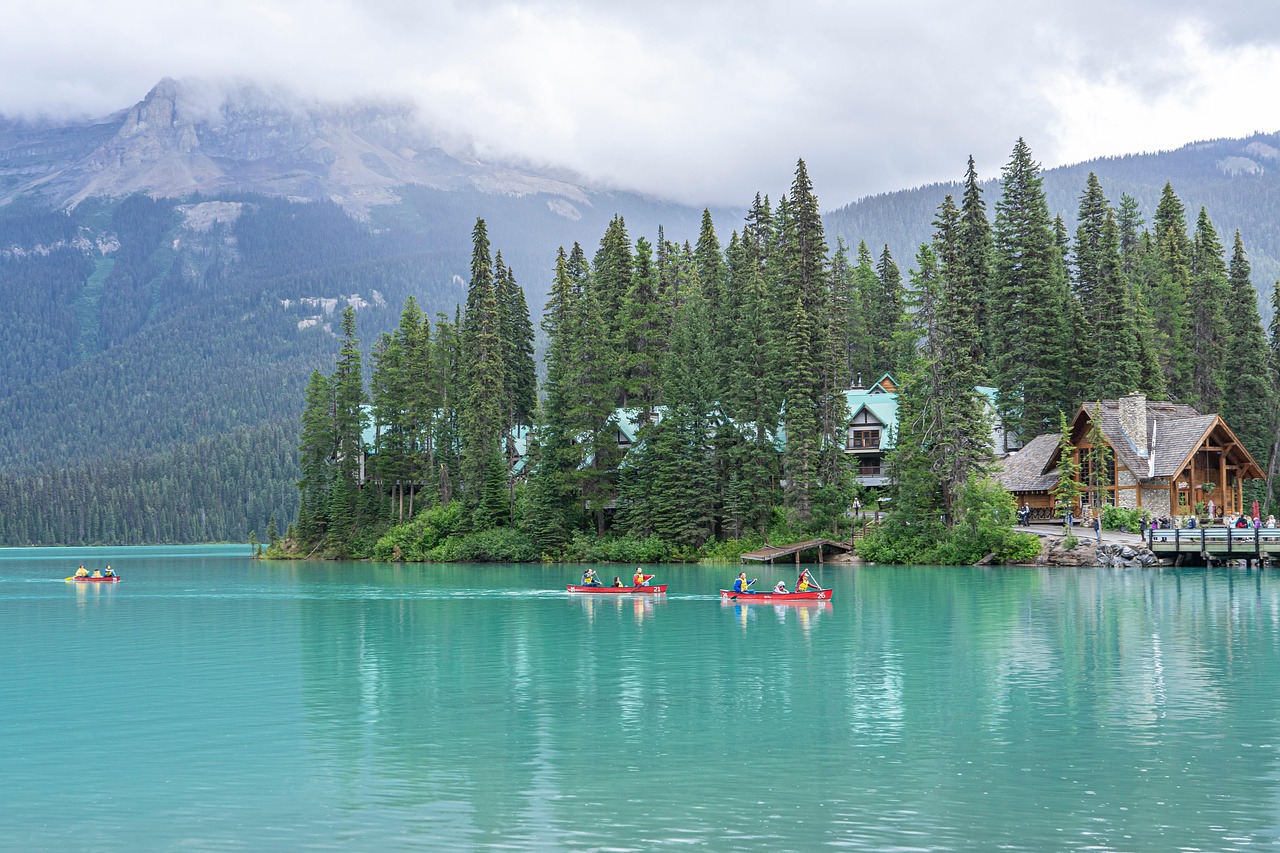
The Okanagan Valley is one of the most exciting emerging food and wine luxury destinations for 2027. Located in British Columbia, it combines lakes, mountains, orchards, vineyards, farm-to-table restaurants and a growing reputation for serious wine tourism.
What makes the Okanagan special is its range. Travellers can enjoy lakefront stays, private wine tours, cycling, boating, orchard visits, tasting rooms, seasonal produce and mountain scenery in a single trip. It feels polished enough for luxury travellers but still fresh compared with older, more famous wine regions.
Kelowna’s growing gastronomy profile has brought extra attention to the region, but the Okanagan still feels like a discovery for many international travellers. It is ideal for those who love Napa, Sonoma or the European classics but want somewhere with a different landscape and a more relaxed energy.
Useful tourist facts people search for
The best time to visit the Okanagan Valley is May to October. Summer is warm and lively, while September and early October are particularly attractive for harvest, wine tastings and seasonal produce.
A five to seven night stay works well, especially around Kelowna, Naramata, Osoyoos or Lake Country. Travellers who want a broader Canada itinerary can combine the Okanagan with Vancouver, Whistler or Vancouver Island.
Private wine tours are recommended because the region is spread out and tastings are best enjoyed without driving.
Cultural considerations
The Okanagan is both a wine region and a place of Indigenous heritage, farming history and active local communities. Travellers should look for experiences that include local voices and support regional producers.
Advance bookings are important in summer and harvest season. Many wineries and restaurants are boutique in scale, so the best experiences may have limited availability.
Food and drink experiences to recommend
Recommend Riesling, Pinot Noir, Chardonnay, sparkling wine, Bordeaux-style reds, ice wine where available, orchard fruit, cherries, peaches, farm-to-table dining, lake fish, artisan cheeses, cider and local honey.
A luxury itinerary could include a private wine tour, a lakefront dinner, an orchard tasting, a chef-led farm lunch, a sunset boat experience and a stay at a vineyard or lakeside hotel.
Why book this for 2027 luxury
The Okanagan is moving from regional favourite to international food and wine contender. It offers a fresh alternative to more established wine destinations, with strong scenery, growing culinary recognition and excellent private experience potential. Backlink angles include Okanagan luxury wine itinerary, Kelowna food and wine guide, Canadian wine holidays, best wineries in Okanagan Valley and luxury lake and vineyard travel.
How to choose the right food and wine luxury holiday
For Michelin-level dining and sustainable wine travel, choose Slovenia.
For river views, port and slow vineyard luxury, choose the Douro Valley and Porto.
For wine estates, design hotels and destination dining, choose Cape Town and the Cape Winelands.
For Malbec, mountain scenery and open-fire cooking, choose Mendoza and the Uco Valley.
For truffles, Barolo and elegant Italian slow travel, choose Piedmont.
For pintxos, seafood and Rioja, choose the Basque Country and Rioja Alavesa.
For wilderness, seafood and cool-climate wines, choose Tasmania.
For emerging wine country, lakes and farm-to-table dining, choose the Okanagan Valley.
The right choice depends on the traveller’s style. Some clients want serious wine education. Others want long lunches, beautiful hotels and a relaxed pace. Some want Michelin-level restaurants, while others prefer markets, farms and producers. The best food and wine holiday is the one that matches the traveller’s appetite, not just their budget.
Booking tips for food and wine luxury travel in 2027
Book the restaurants first if they are central to the trip. In top food destinations, the best tables can be harder to secure than the best hotel rooms.
Use private drivers for wine regions. This improves safety, comfort and timing, especially in places where estates are spread out.
Build the itinerary around lunch as much as dinner. Vineyard lunches, seafood restaurants, farm meals and long tasting menus are often best enjoyed during the day.
Travel in shoulder seasons where possible. Spring and autumn often bring better food, calmer weather, fewer crowds and stronger value.
Leave space between major meals. A luxury food itinerary should feel indulgent, not punishing. Travellers need time to walk, rest and enjoy the setting.
Mix fine dining with local simplicity. The most memorable trips usually include both a celebrated restaurant and a humble dish eaten in the right place.
Think beyond wine alone. Olive oil, cheese, seafood, truffles, coffee, whisky, cider, markets and cooking classes can add texture to the itinerary.
